
Fes: Morocco's Cultural Capital
Immerse yourself in Morocco's oldest imperial city, a living museum of Islamic art and architecture.
Table of Contents
Jump to the section you need.
Fes: A Living Museum
Fes is Morocco's cultural heart, home to the world's oldest university and one of the largest car-free urban areas. The medina is a UNESCO World Heritage site.
Historical Significance
Founded in 789 AD, Fes was Morocco's capital for centuries. It became a center of learning, attracting scholars from across the Islamic world. The city's architecture reflects this golden age.
The Medina Experience
Medina Structure
The medina is divided into quarters (fondouks), each specializing in different crafts. Wander narrow alleys filled with artisans, merchants, and scholars.
Key Landmarks
- University of Al Quaraouiyine: World's oldest continuously operating university
- Kairaouine Mosque: One of Islam's largest mosques (non-Muslims cannot enter)
- Bou Inania Madrasa: Stunning example of Marinid architecture
- Dar Batha Museum: Traditional Moroccan arts and crafts
Traditional Crafts
Tanneries
Visit the famous Chouara Tannery, where leather is dyed using traditional methods. The smell is strong, but the process is fascinating.
Ceramics & Pottery
Fes is renowned for its blue-glazed pottery. Visit workshops to see artisans at work and purchase authentic pieces.
Metalwork & Carpentry
Skilled craftsmen create intricate brass lamps, wooden doors, and decorative items using traditional techniques.
Cultural Experiences
Hammam Visit
Experience a traditional Moroccan bathhouse. Many historic hammams offer separate facilities for men and women.
Cooking Classes
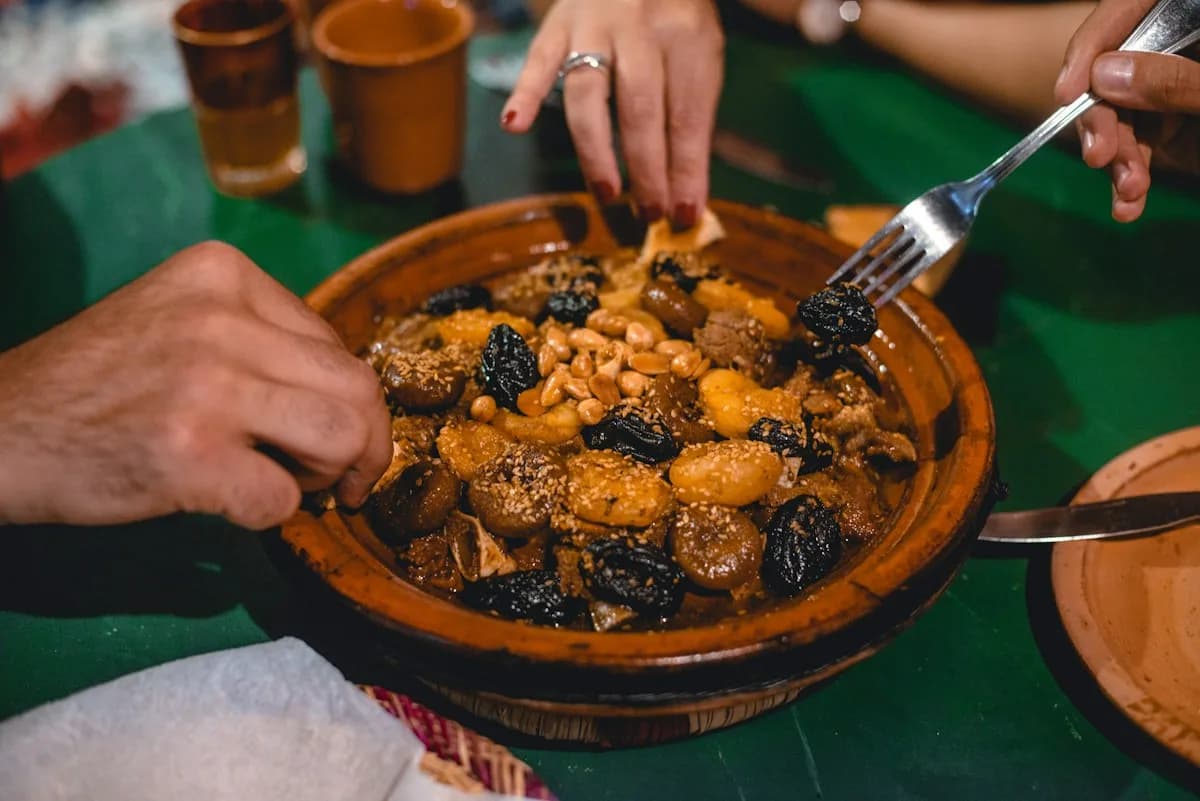
Learn to make traditional Fassi cuisine, including pastilla and tagine. Visit local markets to source ingredients.
Musical Heritage
Fes has a rich musical tradition. Attend performances of Andalusian classical music or visit the Museum of Music.
Modern Fes
Beyond the medina, Fes has modern districts with contemporary art galleries, cafes, and universities. The city successfully blends tradition with modernity.
Practical Tips
- Hire a local guide for the medina - it's easy to get lost
- Dress modestly when visiting religious sites
- Try local specialties like fava bean soup and almond pastries
- Visit early morning or late afternoon to avoid crowds
- Support local artisans by buying directly from workshops
Keep Reading
Related Articles
Ready to Plan Your Trip?
Let our AI create your perfect Morocco itinerary from the ideas in this guide.
Generate Your Trip